
Willingboro Previous Residents by Era
A reliable trail uses a source that matches the time period. Burlington County’s online land-record system is strongest for recent recorded documents, while older work changes to an owner-name archive, deed microfilm, rural directories, ratables, and census releases. Permit or code material is a specific-request path, not an established public name index. The table keeps the eras separate so an empty search does not get mistaken for an empty history.
| Source | Years It Covers | Where Held | What It Shows |
|---|---|---|---|
| PRESS block/lot or owner search | Recorded on or after March 1, 2012 | Burlington County Clerk PRESS | Recorded-document path by parcel or owner |
| PRESS owner-name route | 1965-February 2012 | Burlington County Clerk PRESS | Owner-name land-record searching |
| County historic property archive | Before 1965 | CCArchive Guest Login and Clerk | Owner-name historic property images |
| County deeds and index | Deeds 1785-1901; index 1785-1948 | State Archives and FamilySearch catalog | Older grantor-grantee and title leads |
| Farm Journal directory | 1913 | New Jersey State Library scan | Rural household, route, and land clues |
| State ratables | 1773-1814, selected years | State Archives guide | Early tax, name, and property proxy |
| Federal census | Public releases through 1950 | National Archives and genealogy-library tools | Household composition at the census date |
| BCLS newspaper citations | From 1810, uneven by title | BCLS Notices Index and original issues | Death, burial, birth, marriage, and notice leads |
For the newest era, begin with the parcel and recorded-document chain. For a rural or pre-development lead, begin with the historic town name and a surname rather than a later street address.
Willingboro Previous Records Eras
Burlington County PRESS does not provide one all-years address search. For records recorded on or after March 1, 2012, it supports block-and-lot or property-owner searching. Between 1965 and February 2012, the path is owner-name-only. Pre-1965 material moves to a separate historic archive and is also owner-name-only. Maps recorded before 1995 are not in PRESS. These three cutoffs are the central comparison for past-resident research.
The Burlington County PRESS deed-index search shows the current search routes.
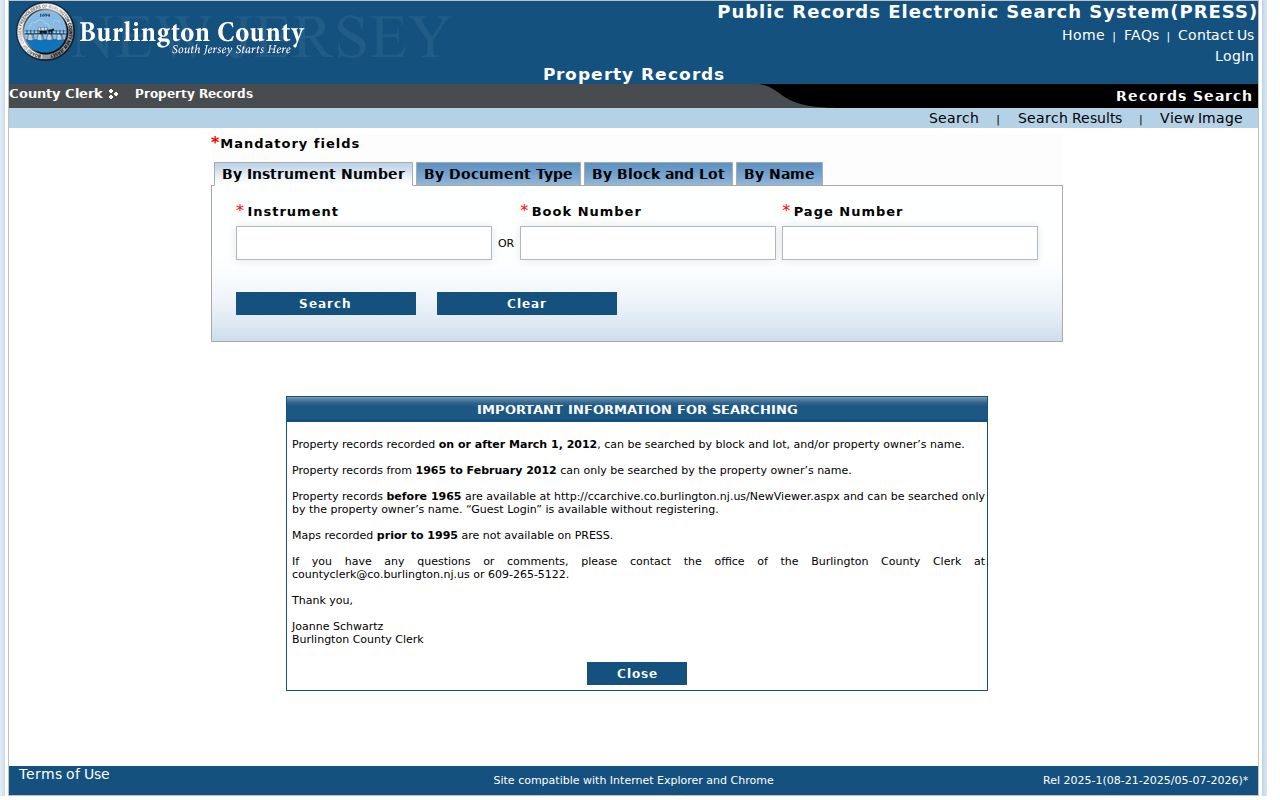
Use the exact parcel or recorded owner from the appropriate era, then preserve instrument or book-and-page references for the backward chain.
The Burlington County historic property-record archive is the documented pre-1965 route and offers Guest Login.
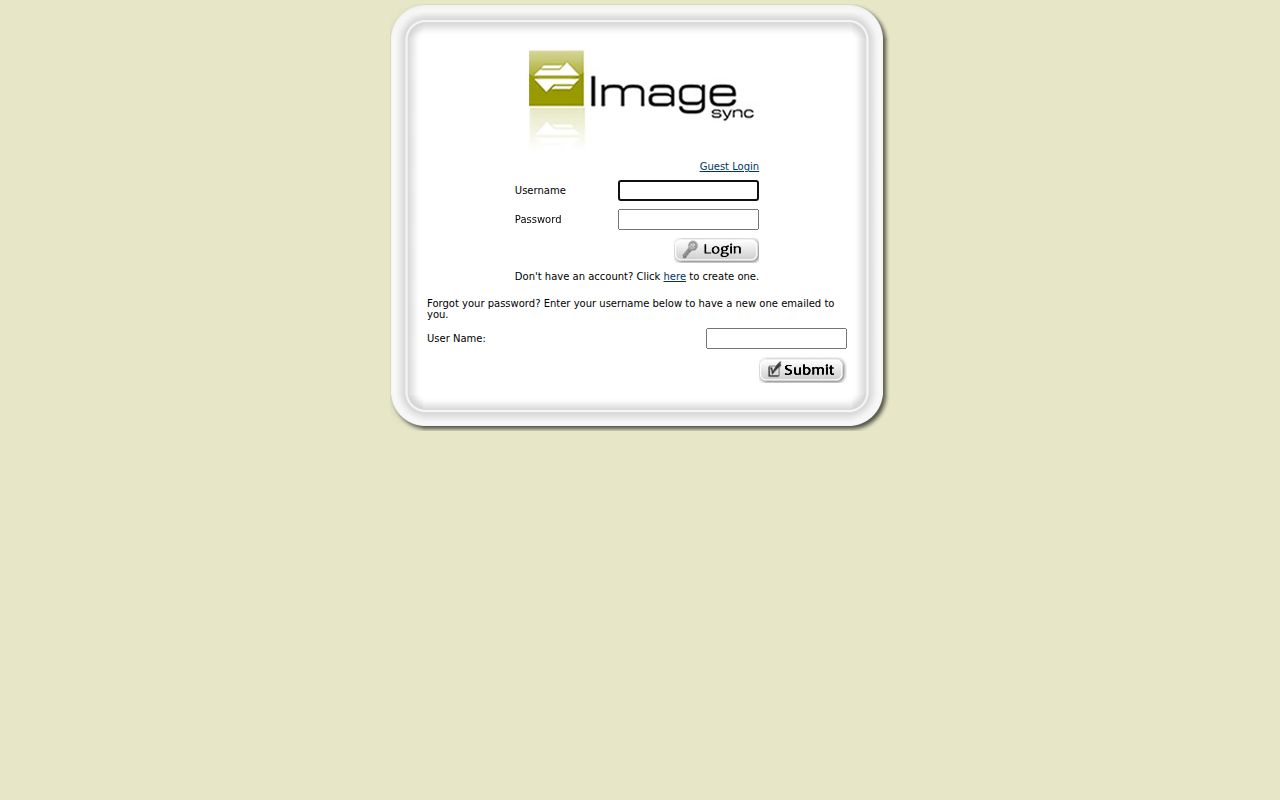
A modern address query cannot replace that owner-name archive. For a copy question or certified record, contact the County Clerk at 609-265-5122 or countyclerk@co.burlington.nj.us.
Note: PRESS separates its search methods by recording date, so record the era beside each result before deciding whether the chain has ended.
Trace Willingboro Previous Deeds
Begin with a current parcel key rather than a person’s name. The Willingboro Assessor, WIPP, the Burlington County Property Viewer, or the State Property Explorer can help establish a block and lot or a recorded owner, but a tax snapshot is not current title proof. PRESS then supplies the recorded-document path. Read the transaction carefully and keep the legal description with the reference, especially when an older source uses rural geography or a different town name.
- Find the current block, lot, legal description, and recorded owner from the applicable property source.
- Use the post-2012 block-and-lot or owner route in PRESS, then capture the recording reference.
- Read the deed to identify the grantor and grantee, then search the seller as grantee to locate that person’s earlier purchase.
- Repeat that backward move through the applicable PRESS period, noting the date when a name-only search becomes necessary.
- When the trail reaches before 1965, move to CCArchive, the Clerk, or the historical deed collections instead of assuming the parcel has no earlier record.
- Grantor / grantee
- The party transferring a recorded interest is the grantor; the receiving party is the grantee.
- Chain of title
- The dated sequence of recorded transfers used to research a parcel’s ownership history.
- Legal description
- The deed’s parcel-identifying language. It can connect records when a street label, route, or town name changes.
- Block and lot
- The assessment parcel key used by local property systems; it is not a full household list.
The chain can contain deeds, refinances, corrections, and other filings. A recorded party is evidence about an instrument, not automatic proof of every person connected with that address.
Willingboro Previous Resident Names
The address-continuity problem here is a municipal-name change, not a verified street renumbering. Older records may use Wellingborough or Willingboro Township. Mid-century material may use Levittown. Search the historic name appropriate to the record date, then compare boundaries and legal descriptions before tying it to a present-day parcel. This is a useful local quirk because an otherwise sound surname search can miss the right catalog or deed index term.
- 1688: Wellingborough was incorporated under English Colonial law.
- 1956: a legislative boundary revision followed the Levitt land acquisition.
- 1959: the Township voted to use Levittown.
- 1963: the Township returned to the Willingboro name.
The 1956 revision placed the current boundary between Route 130 and Rancocas Creek, with Rancocas Village annexed to Westampton. Earlier descriptions may point beyond the modern Township, so the place name is evidence to test, not a shortcut.
Willingboro Previous Resident Archives
Once the county online path ends, the New Jersey State Archives and FamilySearch catalog provide the period comparison. The Archives reports Burlington County deeds on microfilm through 1900, while the FamilySearch catalog lists county deeds from 1785-1901 and an index from 1785-1948. These sources are historical research routes, not a promise of an indexed image for every name. State ratables also supply scattered Willingboro Township books from 1773 through 1814.
The New Jersey State Archives genealogical collections page describes historical deed, probate, naturalization, and other county material.
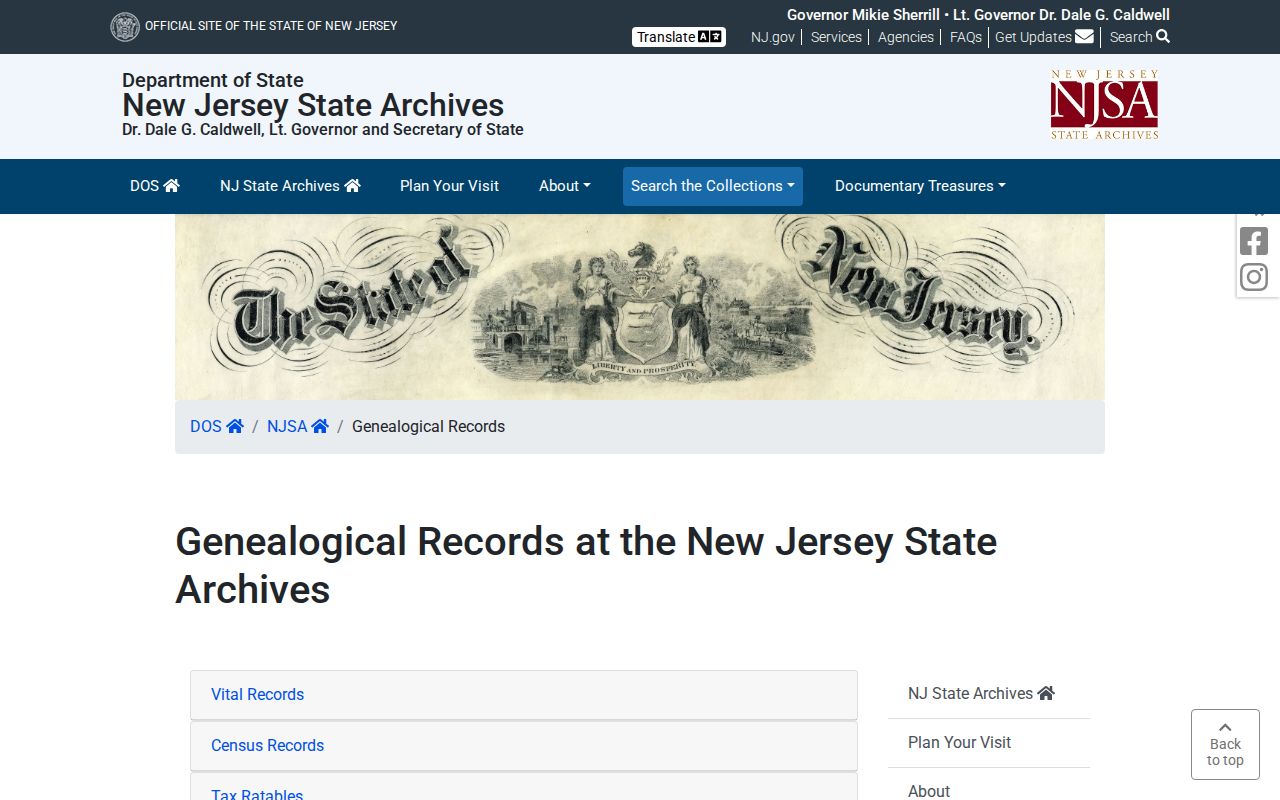
Use the historical year and the town label from the record in an Archives inquiry, since the current name may not be the catalog term.
The State Archives catalog and research search is the additional route for collection-level discovery and research access.
The Archives supports catalog research and some mail research, but its broad holdings do not mean every Willingboro item is online.
The FamilySearch Burlington County catalog is another title-level route for older deed and related materials.
Catalog access and image access can differ by contract, so follow the item’s access notice rather than assuming every listing opens a scan.
Willingboro Previous Resident Clue
The 1913 Farm Journal Farm Directory of Burlington County is the rural household layer for past residents. Its Willingboro Township pages use a surname, spouse notation, child count, calling, ownership-status code, acreage or crop terms, rural route, post office, and road-map code. That combination can distinguish households with the same surname and can lead to deeds, tax ratables, or census work. It cannot be converted casually into a later planned-community street address.
Search the printed surname and initials first, then carry the route, post office, and H map code forward. The source’s O, T, and WOS entries are historical status clues, not present title conclusions. The 1913 State Library scan supplies the full key and pages.
This source captures the period before the Levitt development. It is useful precisely because it records rural geography that a later address search may not recognize.
Willingboro Previous Resident Households
Ownership is only one part of a household trail. Pair a dated city-directory clue, library yearbook, or rural-directory entry with the applicable public census release, then test it against a deed or notice citation. The verified 2019-20 WPL cross-reference directory is a recent address-to-name starting point, while the historical city-directory collection details and limits belong with the Willingboro city directory holdings.
- Start with the most precise dated address, parcel key, route, or name variant.
- Find the era-matched directory, census, or library item and preserve its page, year, and source title.
- Compare household names and place clues with the applicable deed-chain entry.
- Use a notice citation or estate docket to investigate a move, death, or family connection.
- Mark uncertain links as leads until an independently dated record supports them.
A person may disappear from one collection because of a move, an alternate spelling, a change in the collection, or no inclusion that year. That uncertainty is normal and should remain visible in a house-history timeline.
Willingboro Previous Resident Leads
Newspaper and estate sources can close a past-resident trail after the address sources run thin. The BCLS Newspaper Notices Index is a citation finder, not a complete full-text archive. Its historical core spans more than 25 publications, and BCLS also describes a wider family of more than 350,000 citations across over 60 Burlington County newspapers and publications. Keep those descriptions separate. No paper has been indexed from beginning to end.
The BCLS Newspaper Notices Index provides the name, event, and date search screen.
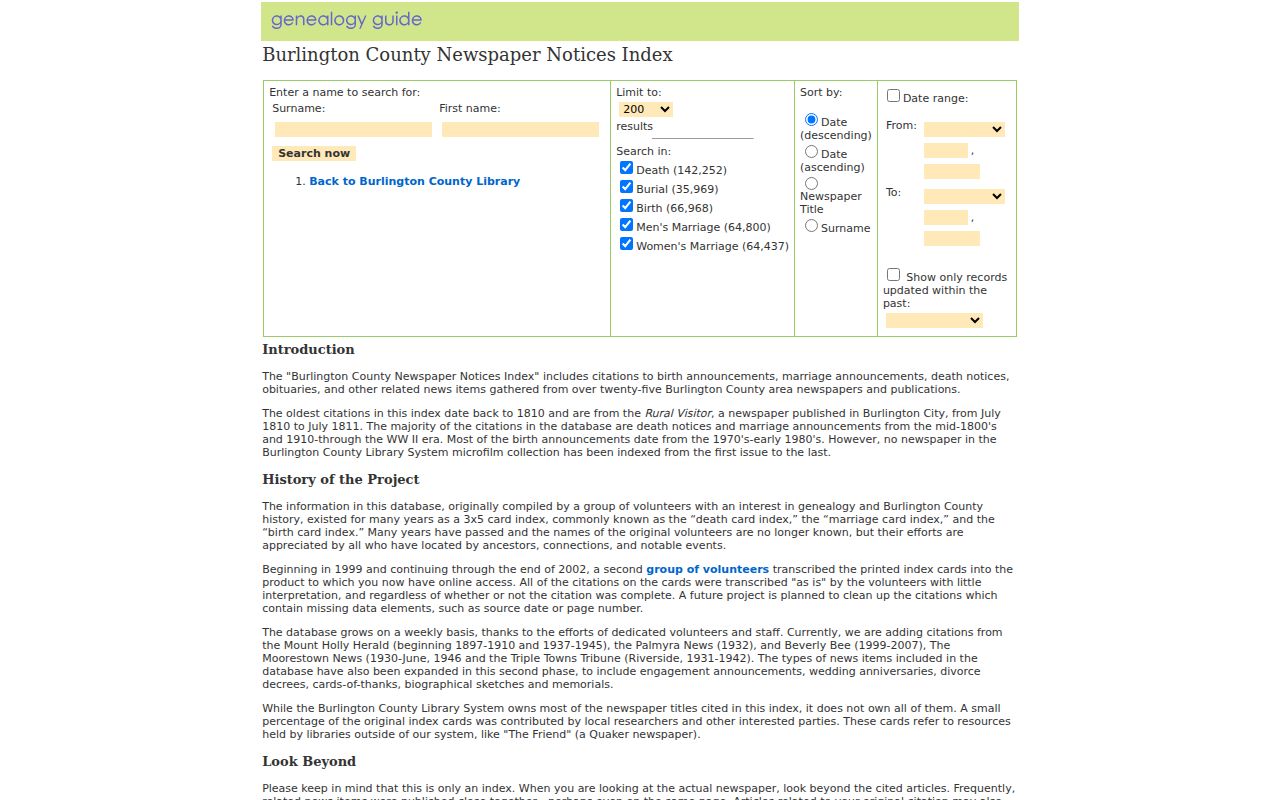
A citation leads to the original issue or another repository; it does not guarantee that the notice text is available online.
| Search fields | Surname is required as one possible criterion; first name can narrow results. |
|---|---|
| Event filters | Death, burial, birth, and marriage filters are available. |
| Date controls | Month, day, and year fields can limit a search; sorting includes date, title, and surname. |
| Index caution | Volunteer transcriptions preserve source errors; month/year dates display as the first day of that month. |
The Burlington County Surrogate Record Search is the estate follow-up. It accepts last name, first name, docket number, city, or death date, and its results grid includes ID, name, suffix, docket, city, and death date. A docket is a lead to the underlying file at the Surrogate, not a conclusion about every family relationship.
Willingboro Previous Record Limit
No verified Willingboro-specific Sanborn fire-insurance map edition or year was located in the official research for this address history. Do not add a date or sheet number by assumption. The Library of Congress advanced search can help identify a city, date, sheet, notes, or digital-file record, but an actual result still needs to be checked against the historical place name and boundary.
When a map source is missing, use the documented alternatives: the deed chain, historic archive, State Archives collections, local-history shelf inquiry, county maps, tax ratables, census material, and original newspaper issues. The absence of a verified map is a research boundary, not proof that an older structure or household did not exist.
Note: Keep rural-route, town-name, and legal-description evidence separate until a dated source connects them to the same historical parcel.